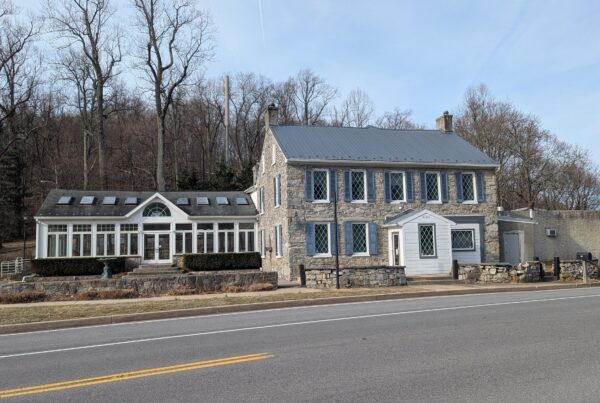

“Building Archaeology” describes a disciplined approach to the systematic and chronological study of historic structures. It is archaeological in the sense that its method treats additions and improvements as layers that can be understood through attention to their material and cultural context. In Europe and other parts of the world, it is a separate discipline from architectural history but in the United States, it is an approach that is taken by a small number of specialists in early American architecture.
MCWB’s extensive experience studying buildings spanning the 17th to 20th centuries, supported by archaeology, materials science, construction history and archival research guides how the firm approaches historic structures and sites.
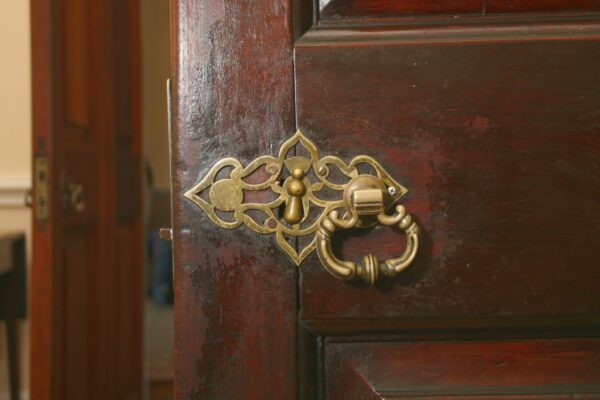
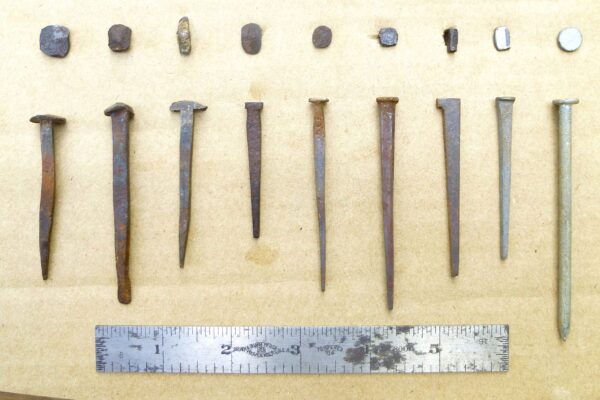
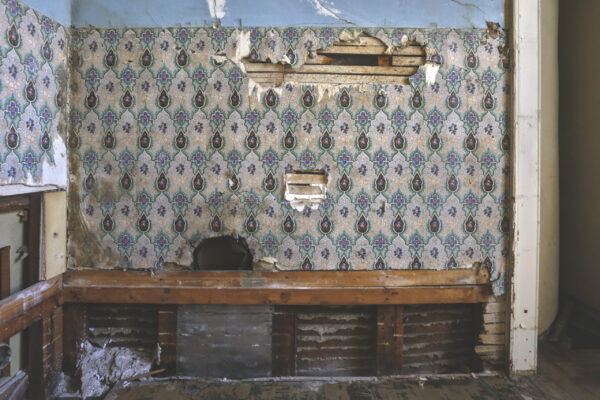
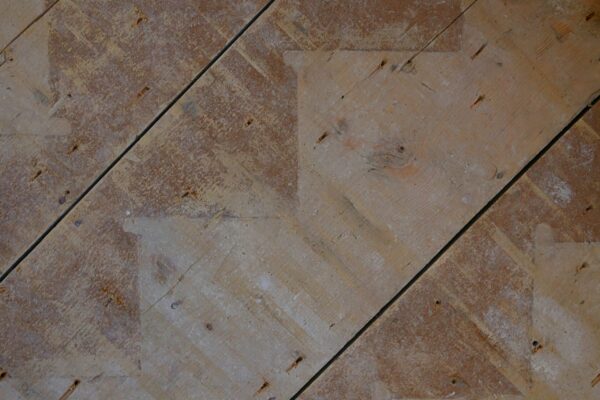
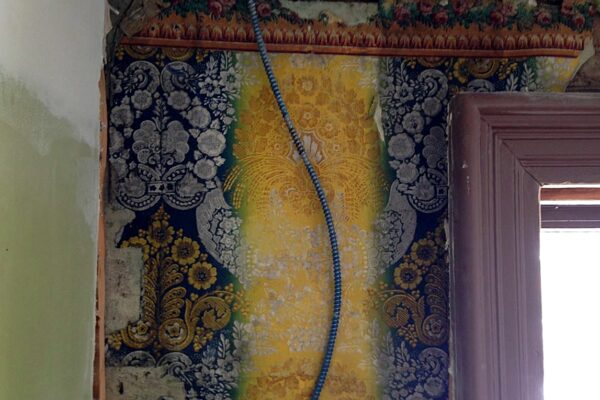
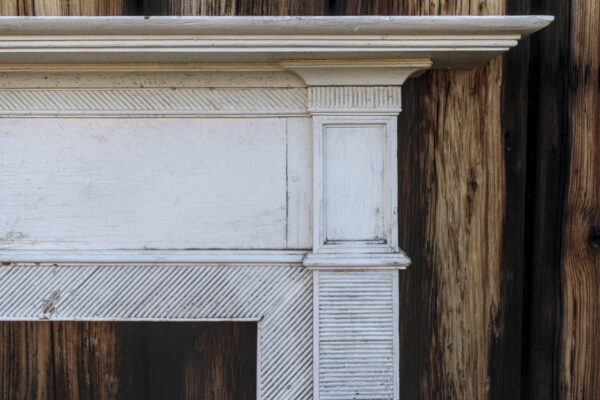
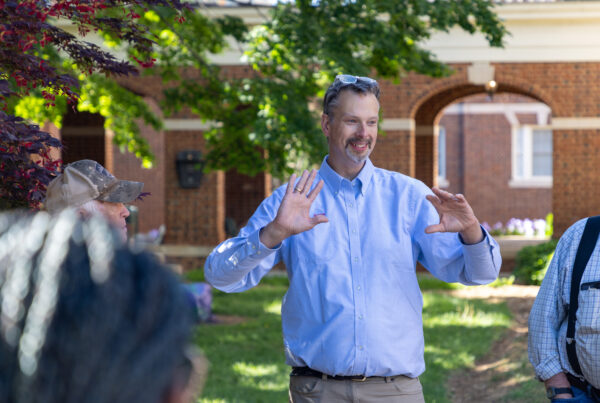
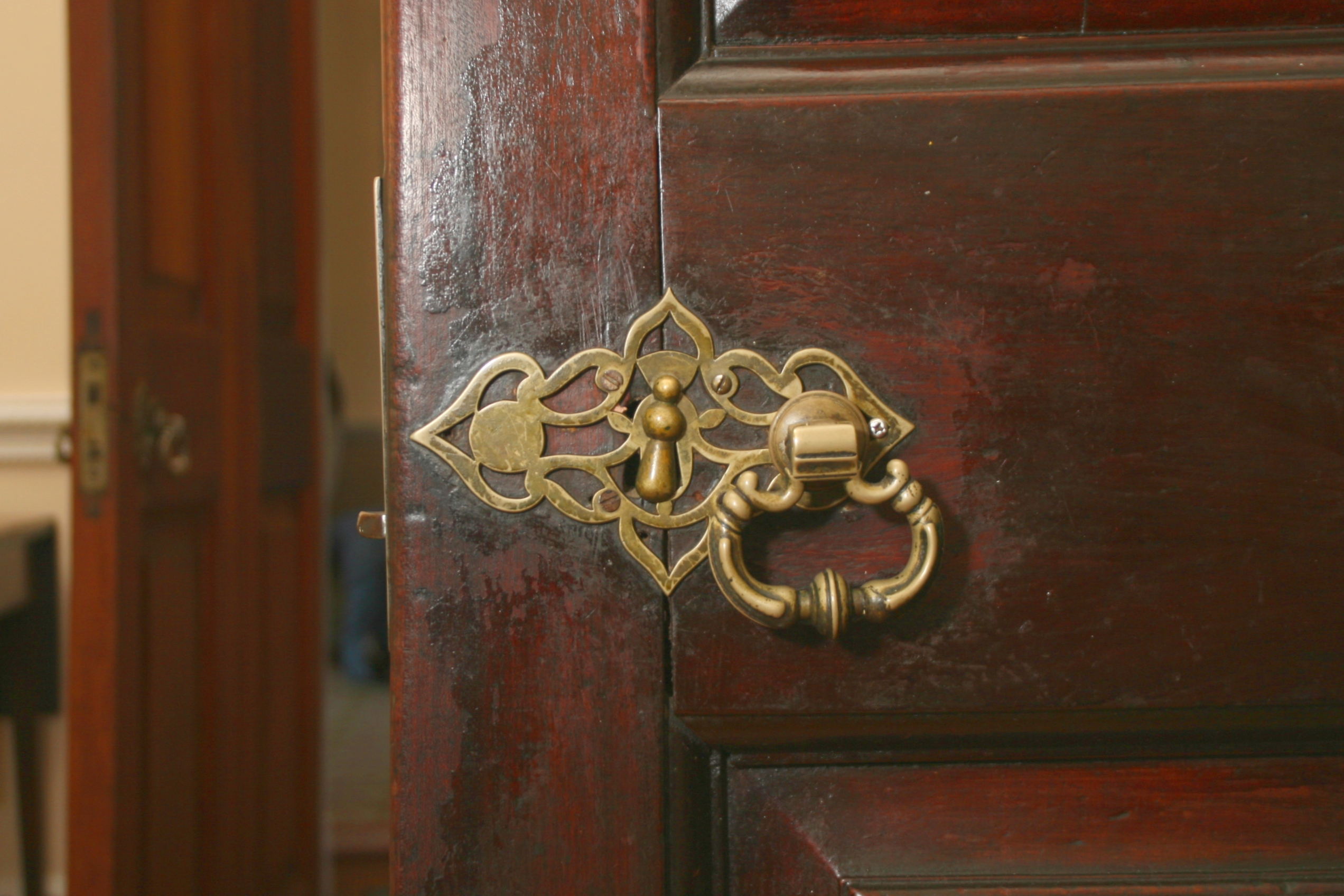
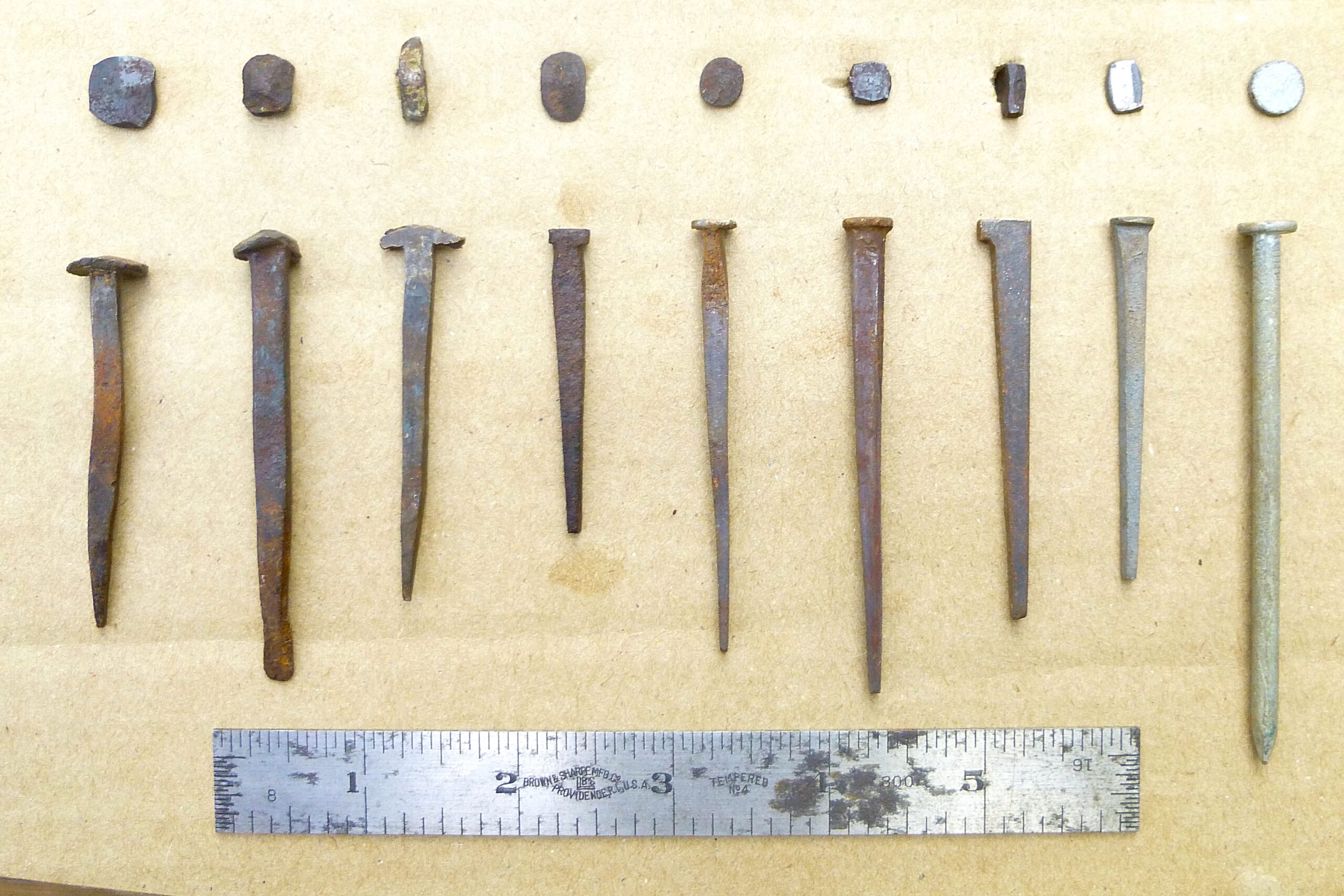
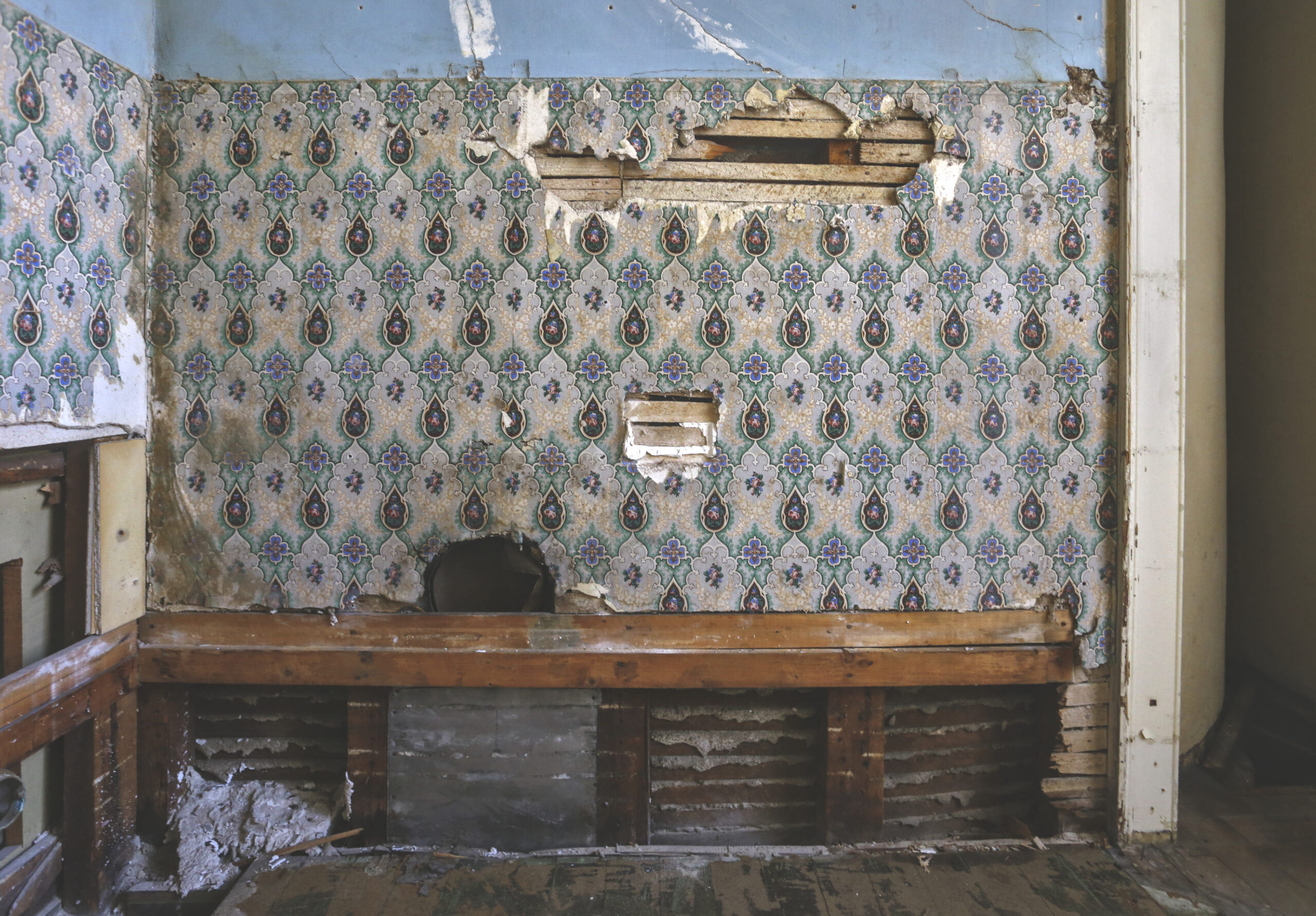
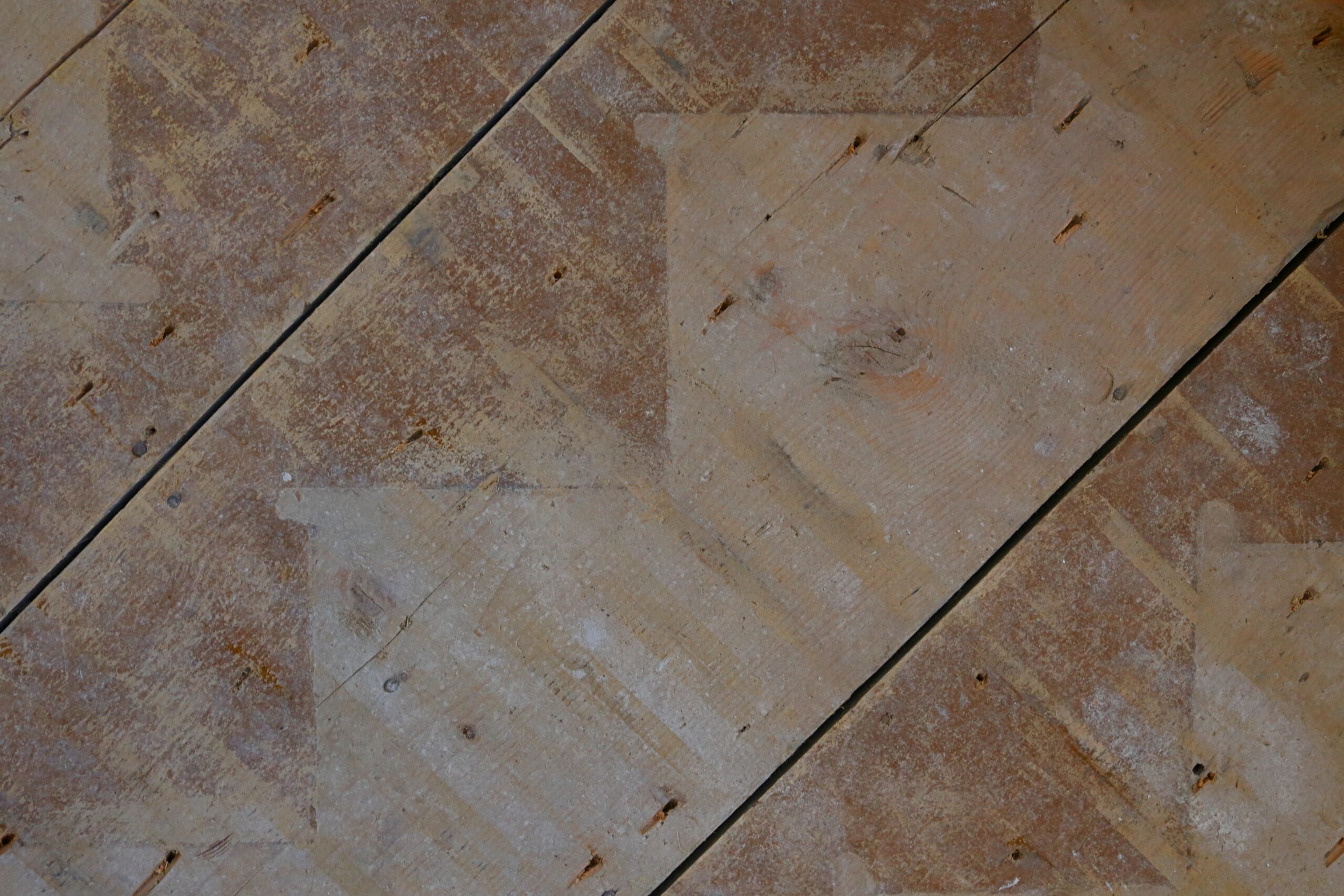
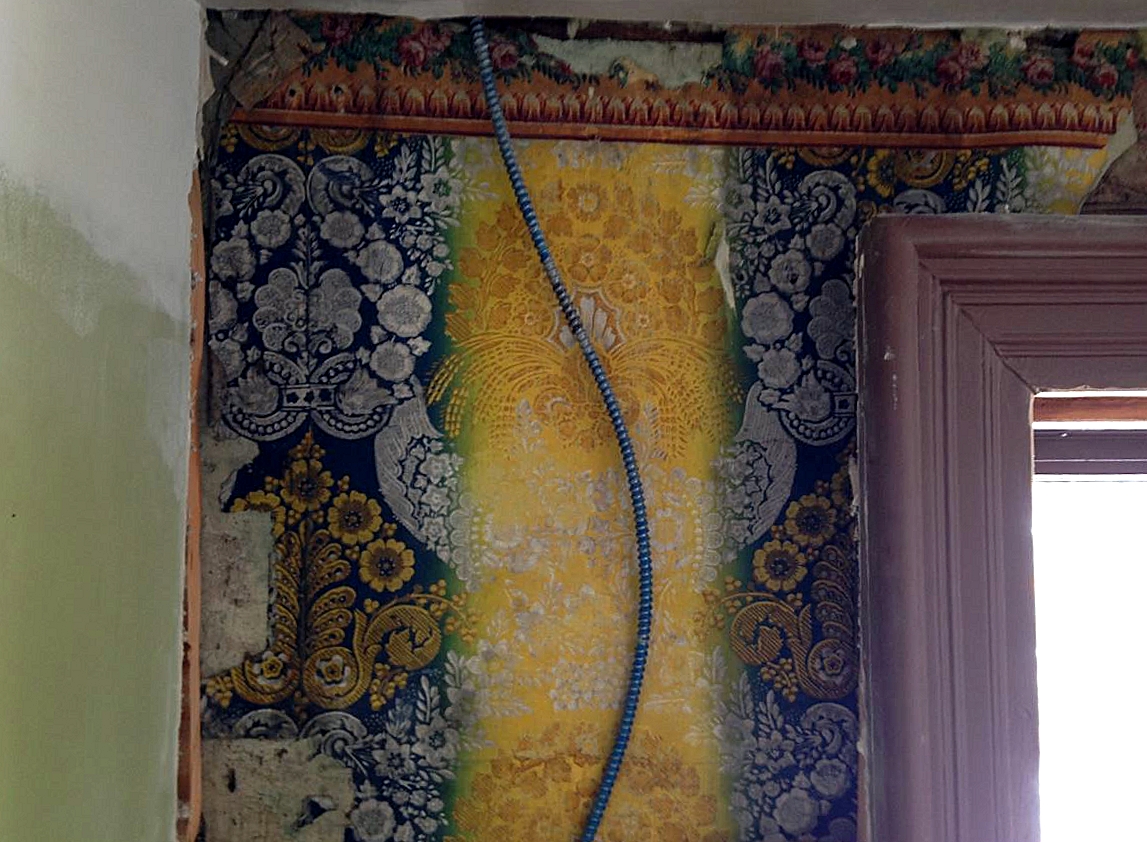
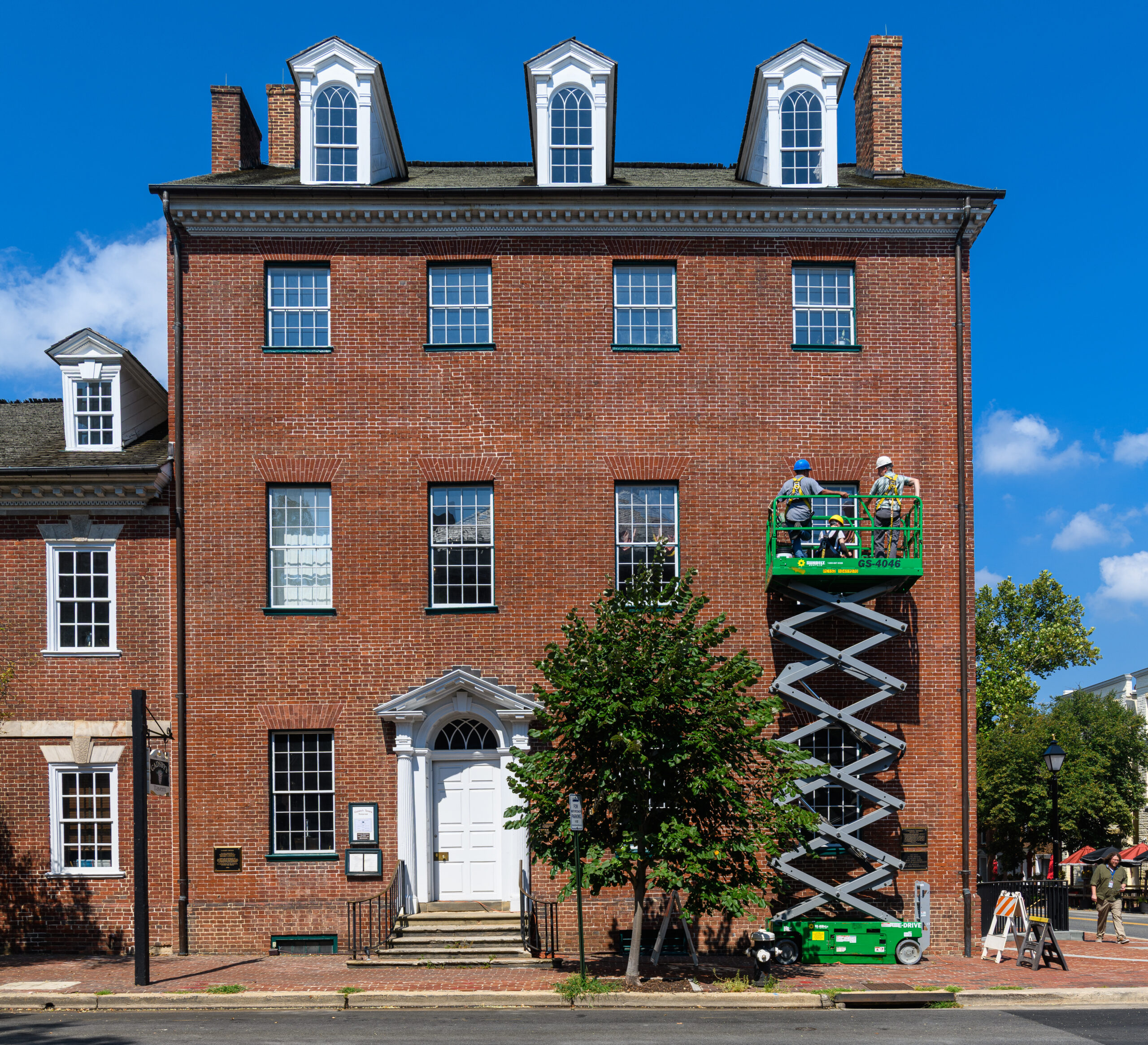
To fully understand a building’s chronological development, MCWB’s historians ordinarily spend several days doing fieldwork, involving close scrutiny of the physical fabric and making a thorough record of a structure through written description, abundant photographs, and hand drawn field notes. Buildings are examined in their entirety, from cellar to attic, from parlors to broom closets, because the key to understanding a building’s history is very often hidden in out-of-the-way places. Physical aspects of the building’s materials and construction, such as framing, brickwork, tool marks, fasteners and millwork, are carefully scrutinized to evaluate their age and sequence of construction.
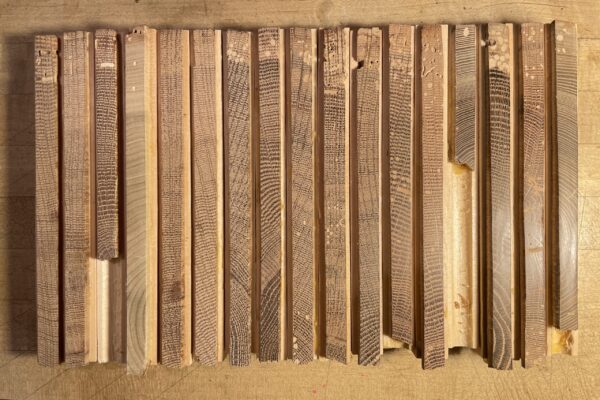
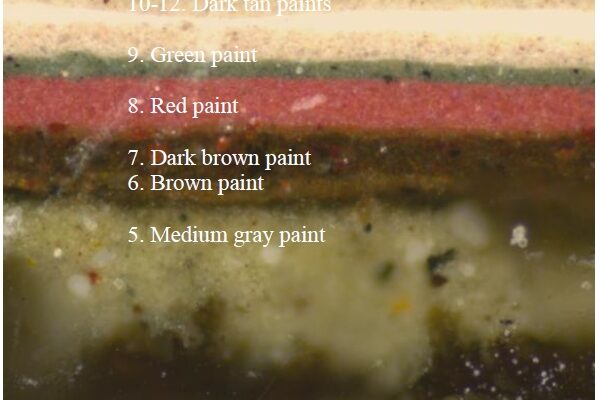
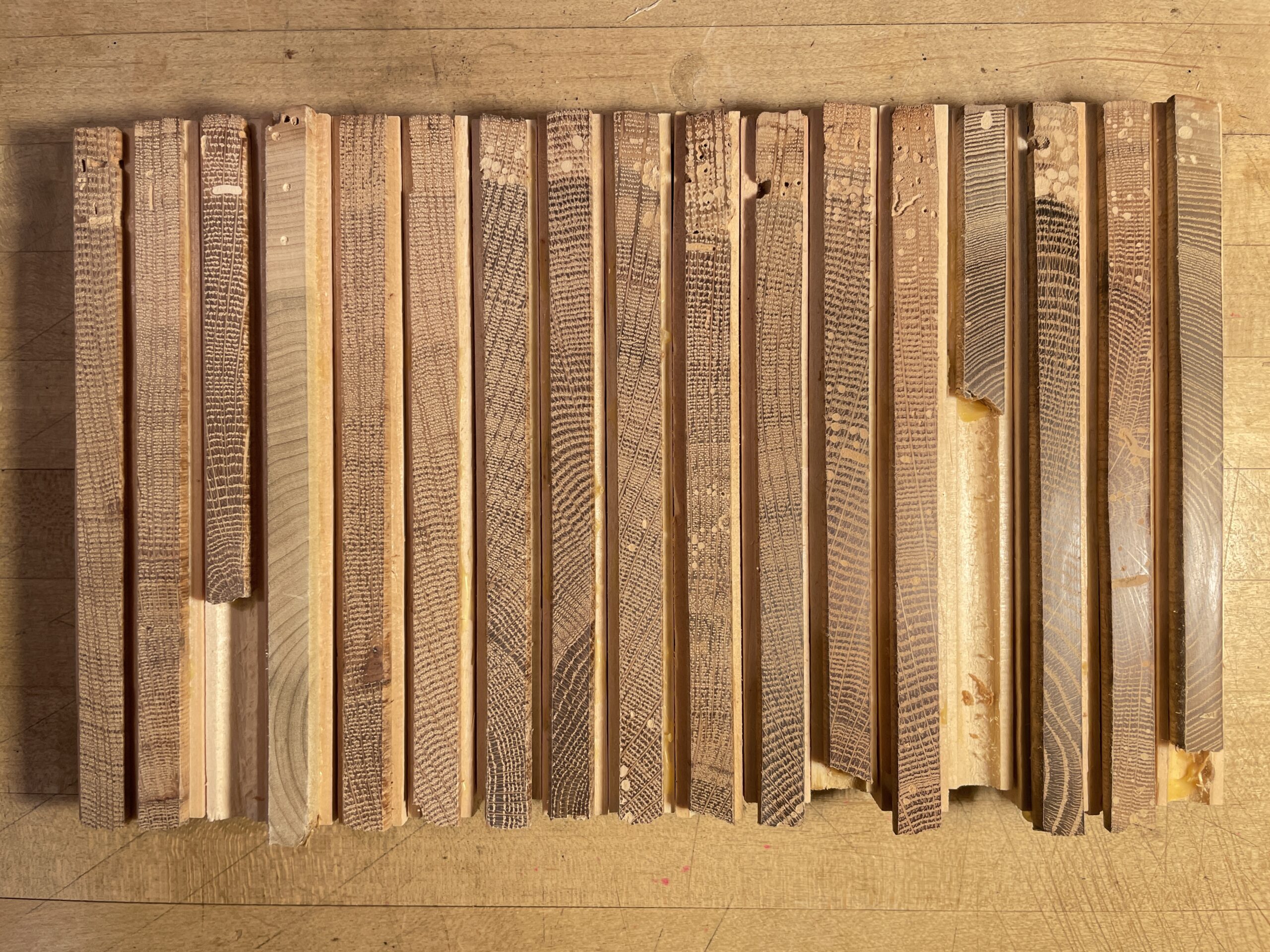
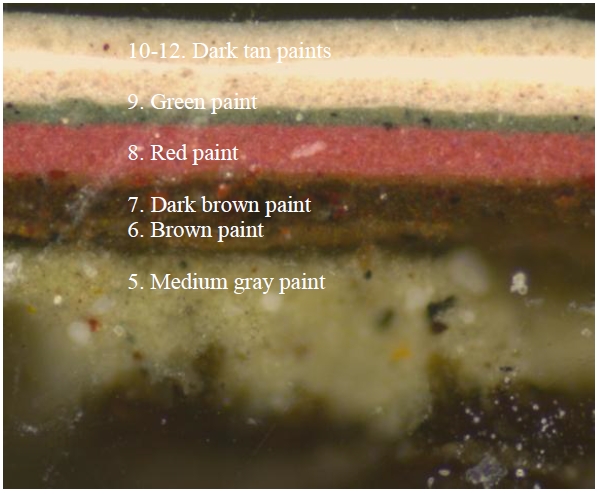
This work is aided significantly by the use of digital imaging, including three-dimensional photography and high-resolution laser scanning. It is often supported by technical analysis, including materials testing, cross-section paint microscopy, and dendrochronology. All this work supplements the fundamental activity of looking carefully at a building, examining its finishes and details of construction, and pulling those hundreds of details together into a coherent analysis of historical development.

Dendrochronology Samples

Matterport Technology
Fieldwork is supported by extensive archival research. This begins with gathering documentation related to the history of the site from local, regional, and national archives, along with a variety of online sources, to develop a context for the social and cultural aspects of the site. This includes a wide range of documents, including property and tax records, probate inventories, letters, manuscript records, and more. Graphic materials, such as historic maps, drawings, and photographs, can be especially informative.

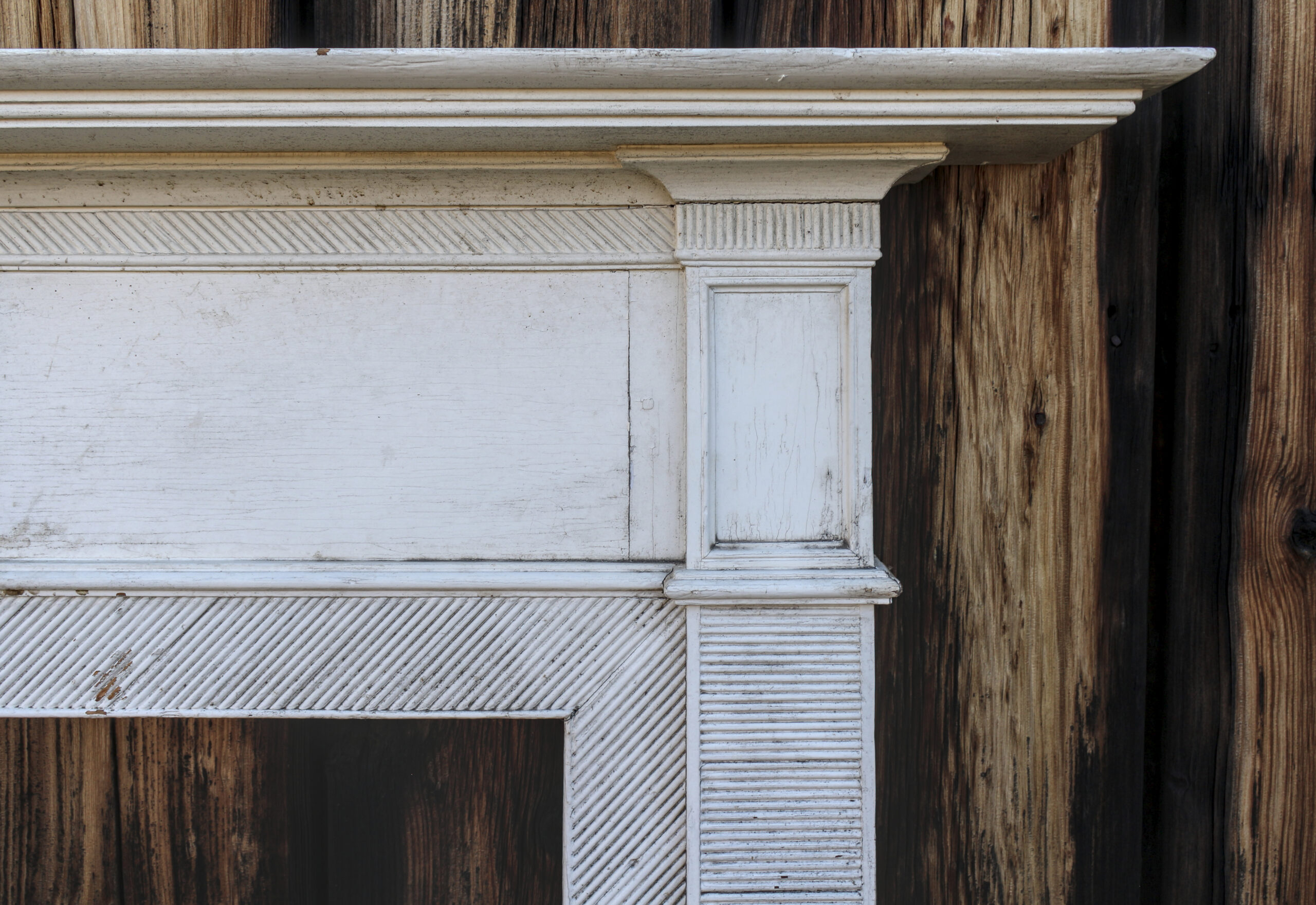
Our historians and architects work together to synthesize this information to develop an overall timeline of the property and its phased development. This work can be as broad as identifying the date of a major addition or as fine-grained as determining when a mantel was re-painted or a door replaced.
No matter how focused the investigation, it is always in the service of understanding the larger story that animates and gives meaning to a structure—why it was built, and for whom.

Details of door casings from original dormitory rooms with typical jamb shown at the top at the University of Virginia

Details of original window at 24 East Range at the University of Virginia.